- calendar_today June 29, 2026
Toronto Metro—As the CUSMA review nears, Toronto Metro officials and trade experts are assessing a complex economic landscape shaped by rising US tariffs and shifting North American trade relationships. The review, set to commence on July 1, is being closely watched by industry leaders across the region, who are mindful of the impact on local businesses and Canadian exports.
Delays Expected in Reaching Tariff Agreement
Steve Verheul, Canada’s former chief trade negotiator, recently conveyed doubts about Ottawa securing a broad tariff deal with Washington ahead of the US midterm elections. The CUSMA review comes at a time when negotiations with the United States often extend past electoral cycles, casting uncertainty on the timeline for a comprehensive agreement. Verheul, who spearheaded Canada’s efforts during the renegotiation of the North American Free Trade Agreement into what is now known as the Canada US Mexico Agreement (CUSMA), underscored that meaningful progress on trade negotiations may only be achieved after the political landscape in the US settles.
Impact of US Tariffs on Key Sectors
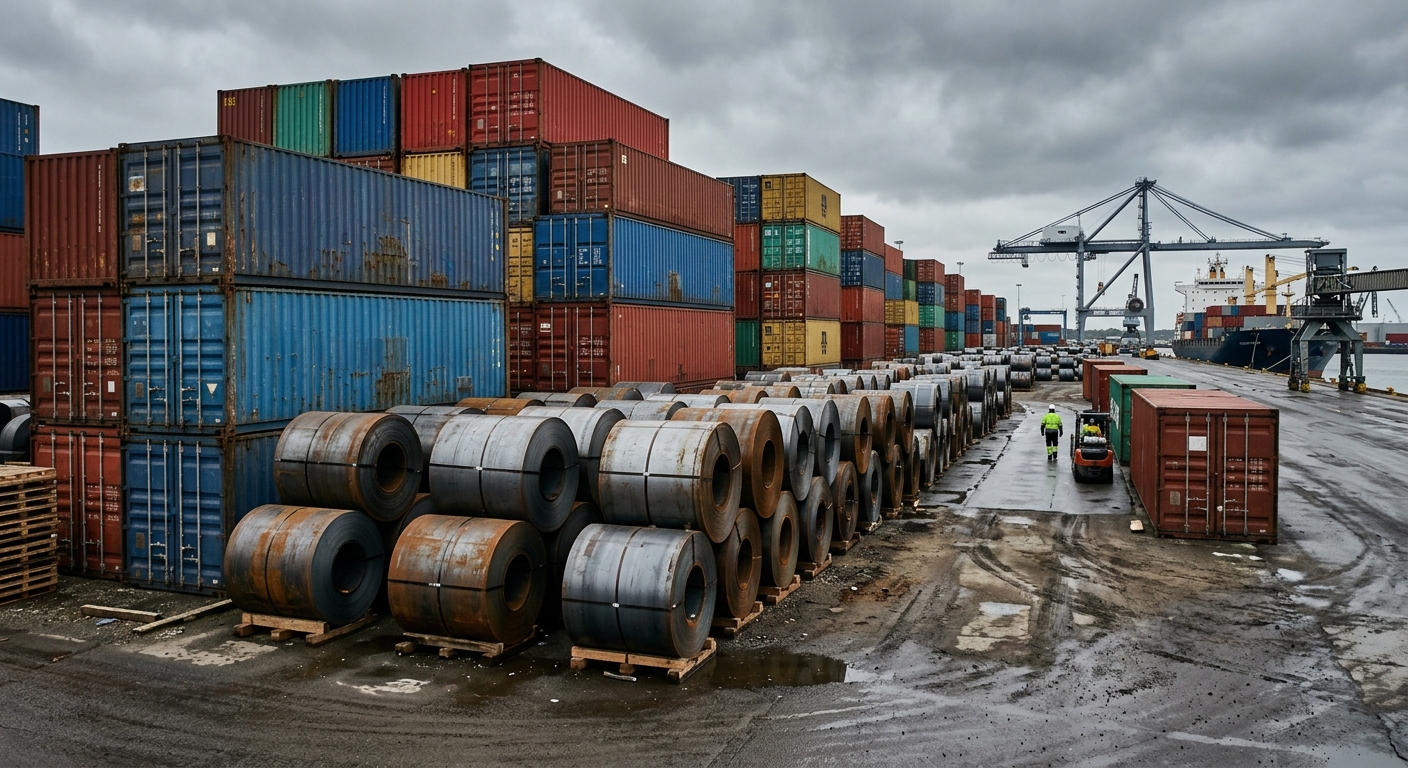
Local industries in Toronto Metro are particularly concerned about continued US tariffs, especially those affecting steel, aluminum, and automotive exports. Verheul highlighted that the current agreement still shields most Canadian exports from new US tariffs, but the persistence of steel tariffs has hindered growth, creating pressure on manufacturers and related supply chains.
Regional Stakes in North American Trade
The region’s economic well-being is deeply tied to the outcome of the CUSMA review. As north american trade evolves, companies based in and around Toronto Metro are monitoring negotiations closely, seeking clarity on future rules and protections for their cross-border operations. The anticipated trade agreement renewal—vital for businesses reliant on access to US and Mexican markets—will dictate how industries plan for the coming years.
Bipartisan Support and Presidential Uncertainty
Despite former President Donald Trump’s skepticism regarding the renegotiated pact, there remains broad US legislative support for maintaining trade ties through CUSMA. Economist Doug Porter of BMO commented that the probability of the US terminating the agreement remains low, even as donald trump trade policies continue to influence discussions. Verheul echoed this sentiment, pointing out that the agreement’s current framework still offers critical protections for Canadian stakeholders, even under political pressures.
Negotiations and Political Timing
The dynamics of trade negotiations are likely to be affected by the looming US midterm elections. With the agreement scheduled to expire in 2036, stakeholders expect that talks about extension could stretch into the following years, depending on US domestic politics. Verheul noted that while brief windows for progress may occur before major elections, durable deals have proven elusive, with recent international tariff agreements providing little confidence to Canadian negotiators.
Economic Forecasts and the Road Ahead
Looking ahead, the Toronto Metro business community and policymakers remain cautious but hopeful. The economic forecast remains mixed, with export growth constrained by existing tariffs but significant potential for expansion if favorable terms emerge from the review. Close coordination between government and industry will be required to safeguard regional interests as the review process unfolds, ensuring that Toronto Metro’s role in north american trade remains strong amid uncertainty.
What Local Businesses Can Expect
As negotiations on the canada us mexico agreement resume, Toronto Metro’s manufacturing and export sectors are preparing for a period of uncertainty. Advocates are urging provincial and federal representatives to defend key sectors during talks, emphasizing the importance of maintaining job growth and market access. With the review poised to set the region’s trade agenda for years to come, attention now turns to Ottawa’s next moves in securing a durable, advantageous agreement.