- calendar_today August 12, 2025
In the vast prairies of Manitoba, where the housing market has traditionally been steady but cautious, 2025 marks a turning point. Artificial intelligence (AI) is no longer just a tool used by big tech companies—it’s now a crucial part of how Manitobans buy homes.
Whether in the suburbs of Winnipeg or rural communities like Steinbach or Portage la Prairie, homebuyers are increasingly turning to AI to simplify their property search, streamline financing, and uncover valuable insights. What used to require weeks of research and multiple in-person meetings can now happen from a smartphone in a matter of minutes.
The shift isn’t just technological—it’s cultural. In a province where affordability and reliability matter more than flash, AI is quietly becoming the most trusted co-pilot for anyone navigating the housing market in 2025.
Personalized Search with Prairie Precision
Gone are the days of endless scrolling through listings that don’t match your lifestyle or budget. Today’s AI-driven real estate platforms in Manitoba are designed to deliver highly tailored results. By analyzing browsing history, previous search queries, and even user preferences expressed in plain language, these tools adapt to buyers’ priorities.
Want a home near the University of Manitoba or with quick access to the Perimeter Highway? Looking for a large backyard in a Brandon neighborhood zoned for future development? AI helps filter through the noise, delivering only the listings that match what you’re actually looking for.
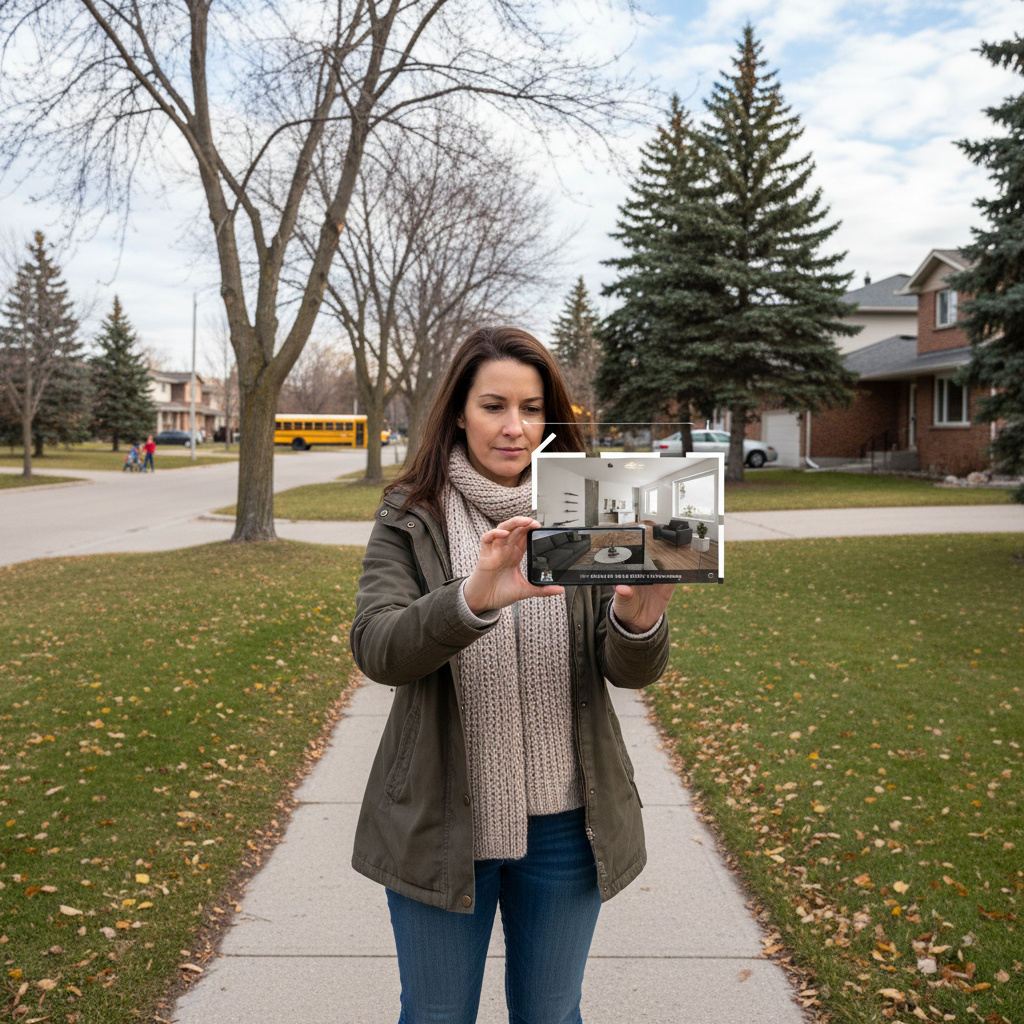
With the help of visual recognition and 3D modeling, some platforms even allow buyers to virtually explore homes or request alternate interior finishes based on their preferences—right from their phone or computer.
AI’s Growing Role in Manitoba’s Real Estate Journey
1. Smarter Mortgage Pre-Approvals
Manitoba’s economy features a wide range of employment—from public sector workers in Winnipeg to farmers in the Interlake region. That diversity has historically made it hard for some buyers to secure conventional mortgage approvals.
AI now helps lenders evaluate income variability, seasonal work, and side-gig revenue streams more accurately. Pre-approval times have dropped from days to hours for many Manitobans. Fintech companies working with local credit unions are even offering dynamic mortgage plans based on predicted earning capacity.
For first-time buyers in towns like Winkler or Thompson, AI-powered underwriting models are expanding access to homeownership by factoring in broader indicators of financial stability.
2. Predicting Price Trends Across the Province
In 2025, Manitoba’s property market remains relatively affordable compared to larger provinces. But price growth has been uneven. AI models trained on regional data are helping buyers and investors understand where the value lies.
For instance, real estate platforms now use predictive analytics to anticipate value shifts based on upcoming infrastructure projects, demographic trends, or agricultural zoning changes. A buyer looking in Selkirk might learn that upcoming transportation expansions could boost property values within a few years.
That kind of foresight is crucial in a province where the margin between a good investment and a risky one can be subtle—and largely hidden in traditional listings.
3. Localized Risk and Climate Resilience Analysis
AI is increasingly being used to evaluate environmental risks. Manitoba’s housing market has always been affected by its geography—flood zones along the Red River, shifting temperatures in northern areas, or infrastructure challenges in rural towns.
In 2025, AI-powered tools offer buyers clear risk assessments, such as likelihood of flooding, long-term maintenance needs, or even how nearby farmland might affect a home’s resale value. These models pull from historical data, insurance records, and satellite imagery to flag properties that may be vulnerable.
For flood-prone areas like St. Adolphe or parts of Morris, these insights help residents make informed choices about insurance, structural upgrades, or whether to buy at all.
4. Automated Legal and Document Review
From condominium disclosures in Winnipeg to land titles in the Pembina Valley, real estate paperwork is often dense and time-consuming. AI-powered legal tech is stepping in to assist both agents and buyers.
These systems can analyze contracts, flag missing information, and even explain clauses in simple language. This is especially helpful for newcomers to Canada who may be buying their first home in Manitoba and need extra clarity around legal obligations.
Several Winnipeg-based real estate firms now integrate AI into their workflows, allowing their clients to receive summaries of inspection reports, bylaw restrictions, and HOA rules—all before signing on the dotted line.
5. Boosting Accessibility for Rural Buyers
While AI has made a splash in major Canadian cities, its benefits in rural Manitoba are perhaps even more profound. In towns like Dauphin or Neepawa, where real estate professionals may be few and listings sparse, AI fills a crucial gap.
Online platforms now use AI to create virtual tours, generate property insights, and connect remote buyers to agents without the need for in-person meetings. This is making it easier for families relocating within the province, or even newcomers arriving from abroad, to explore rural living without logistical hurdles.
Some municipalities are also partnering with developers to use AI in identifying underutilized lots or tracking housing supply trends to encourage responsible development.
The Manitoba Advantage: A Balanced Approach to Tech
Unlike fast-moving markets like Toronto or Vancouver, Manitoba’s real estate sector has the advantage of adopting AI at its own pace. This allows for thoughtful integration, focusing on how the technology can enhance—not replace—the relationship between realtors and buyers.
Many Manitoba agents see AI as a supportive tool rather than a threat. It frees them from administrative tasks like screening listings or running price comparisons, allowing more time to build trust and advise clients.
Additionally, Manitoba’s real estate boards have taken steps to ensure ethical AI use, with growing interest in transparent algorithms and consumer protections. As public awareness grows, buyers are asking more questions about how AI is shaping their recommendations and what data is being used.
The Future of AI in Prairie Real Estate
Looking forward, AI’s role in Manitoba’s real estate market will likely expand beyond buying and selling. Builders and municipal planners are exploring AI for tracking housing demand, zoning optimization, and energy-efficient design.
Meanwhile, AI-based chat assistants are becoming standard on local brokerage websites, guiding buyers through common questions and automating appointment bookings.
For homebuyers, the message is clear: artificial intelligence isn’t just a background technology—it’s a front-line tool. And in a province known for its thoughtful pace and strong communities, that may be exactly what Manitoba needs in 2025.