- calendar_today August 24, 2025
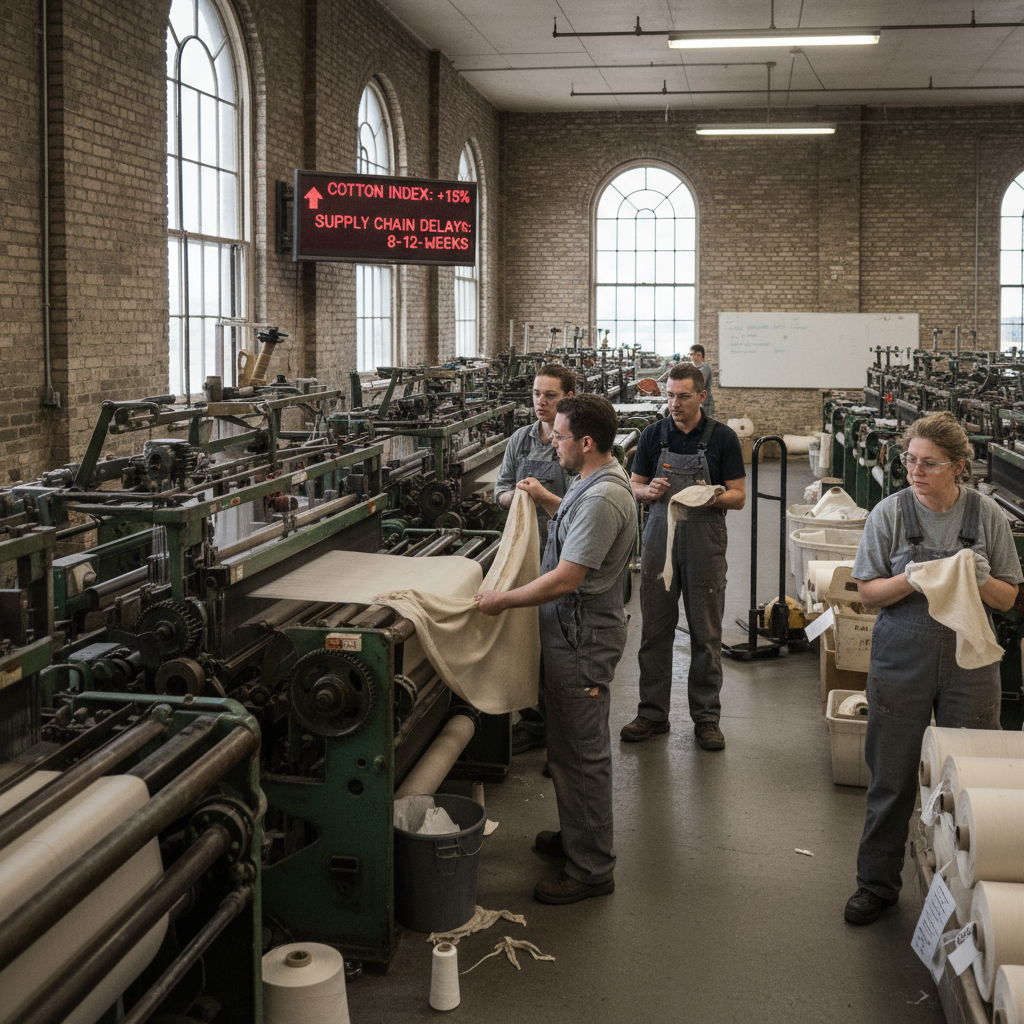
In 2025, the textile industry of Manitoba is under pressure as cotton output globally continues to deteriorate. This scarcity is posing severe issues for manufacturers, fashion labels, and other establishments throughout the province that need cotton as a primary raw material.
Although Manitoba is not a cotton-producing province, it relies on a reliable importation of cotton from international markets to drive its apparel and textile industries. But with crop losses, weather conditions, and trade uncertainties in other parts of the world, prices are increasing rapidly and supplies are becoming less dependable.
World Cotton Shortage Hits Manitoba
In the last year, nations such as India, Pakistan, and the United States have experienced tremendous declines in cotton production from heatwaves, floods, and droughts. This has made cotton rarer and costlier worldwide.
For Manitoba, that translates into local firms paying higher prices to buy cotton products and fabric. Delays in shipments and unexpected increases have caused many firms to be unable to budget or contain costs.
“Never before have we experienced this,” states Raj Patel, who owns a Winnipeg-based clothing manufacturing company. “Prices shift by month. We can no longer provide stable quotes to clients.”
Production Costs Are Rising
As the cost of raw materials goes up, so does the cost of producing clothing, bedding, and other cotton products. For Manitoba textile producers, it means tighter profit margins and tough choices.
Some are passing the increase on to consumers in the form of higher prices, while others are taking the hit in the hopes that the market will level out.
“Some customers understand, but others are going elsewhere because they think we’re overcharging,” says Melissa Hart, a local designer. “It’s not greed—it’s survival.”
Export Pressure and Trade Concerns
Manitoba’s textile exports, which go to other Canadian provinces and international markets, are also affected. Higher costs mean Manitoba-made products are now less competitive compared to items from regions with cheaper access to cotton.
Meanwhile, uncertainty over trade programs such as GSP+ is exacerbating the problem. GSP+ allows nations to trade selected goods with lower tariffs. However, if major cotton-exporting nations have their GSP+ taken away because of human rights or environmental concerns, it could drive up import taxes and add even more to Manitoba’s costs.
Small Businesses Feeling the Heat
Smaller textile businesses and fashion startups are among the hardest hit. Unlike large corporations, they don’t have the financial cushion to handle sudden spikes in material prices or delays in shipping.
“I’ve had to pause my new collection,” says Anna Wong, a local clothing brand owner. “Cotton is too expensive and unreliable. I’m looking at other fabrics, but that takes time and testing.”
Shifting to Alternative Materials
As a reaction to the cotton crisis, some Manitoba companies are turning to other materials such as bamboo, linen, or recycled fibers. These alternatives have the potential to lessen dependence on cotton but present difficulties such as added cost or reduced supply.
“There’s no magic bullet,” says Mike Dubois, a textile expert. “But with intelligence and creativity, Manitoba companies can remain in the mix.”
Calls for Government Support
Industry executives in Manitoba now are urging the government for help to ride out the storm. Proposed actions involve subsidies for raw materials, grants for searching for alternative fabrics, and assistance for small producers.
“We’re not seeking bailouts,” says Patel. “We just need a little bit of assistance so we can maintain jobs and maintain production through this difficult period.”
A Time of Change and Adaptation
In spite of the debacle, most in Manitoba’s garment industry remain optimistic. They feel that through rapid response, more intelligent supply chain management, and a bit of government assistance, they can ride out this tough year and be even stronger.
“It’s a tough year,” says Hart, “but it’s also an eye-opener. Perhaps it’s time we construct a more sustainable, local, and agile system in the future.”