- calendar_today August 23, 2025
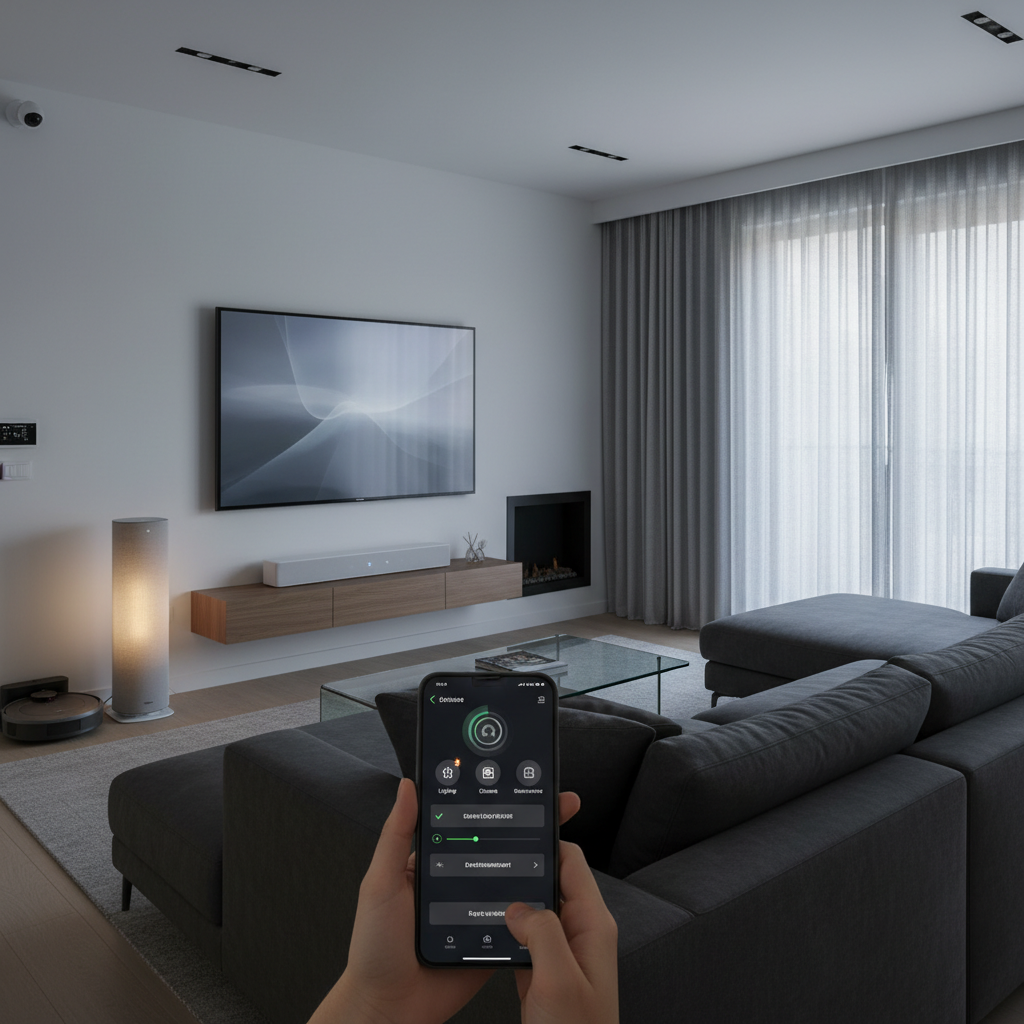
Google has announced today a major advancement in its smart home ecosystem which represents a new phase of intuitive command capabilities and automated intelligence within the Google Home app. The integration of the last Nest devices into the Home app coincides with the company’s efforts to execute a complete transformation that will significantly simplify and improve user interaction. The fundamental change in this system stems from an extensive integration of Gemini AI which aims to create smart homes that intelligently anticipate needs beyond mere connectivity. Smart living will reach new heights through these technological improvements together with broader third-party device support via the Home API.
The Google Home app functions as the primary control center for operating numerous smart devices. Google’s cameras, thermostats and smoke detectors make up part of the product range while additional smart device options from multiple manufacturers continue to expand. The Home app’s consistent goal to support a mixed device setup faces challenges because users find it difficult to control diverse devices and set up complex automations. Google maintains that artificial intelligence through Gemini’s conversational abilities will create a smarter and more intuitive smart home experience.
The path to an AI-driven smart home started last year when Google Home’s experimental Labs program conducted its first Gemini integration tests. Through the Home API Google has extended access to Gemini’s powerful features beyond its own hardware to include numerous third-party devices following successful foundational trials. This development marks a key advancement for building a fully interoperable smart home ecosystem as it extends beyond Google’s proprietary devices to support a broader range of connected products. Google has partnered with a chosen set of collaborators to enable advanced device integration before official market release. The First Alert smoke/carbon monoxide detector and Yale smart lock are among the first devices to receive deeper integration benefits after they replaced Google’s discontinued Nest products. Google collaborates with pioneering brands including Cync lighting and iRobot vacuums as well as Motorola Tags to show their dedication to covering diverse smart home sectors that range from lighting solutions to automated cleaning systems.
The expansion of Gemini brings about transformative possibilities for smart home automation systems. Through the Labs program Google has enhanced user capability to develop intricate routines using conversational AI in a very straightforward manner. Users will soon be able to express their automation needs directly to Gemini through spoken commands like “Remind me about package deliveries when they arrive” or “Identify unwanted animals in my garden at night” and allow the AI to handle the setup of appropriate automations. Users no longer need to endure the painstaking task of manually navigating through multiple menus and settings. Natural language interaction will allow smart home automation to be accessible to everyone because it delivers advanced functionalities to users who lack technical skills. Gemini’s expanded support of the automation API allows it to detect a wider variety of smart home devices which enables the platform to deliver more advanced and context-specific automated task recommendations. Google explained that the Gemini expansion will feature more triggers based on real-world conditions like specific dates and weather patterns which will add sophisticated adaptive capabilities to home automation systems.
Google understands modern smart home systems’ complexity can mask awareness of home activities thus they are launching a new tool to deliver more immediate and understandable insights. The Home Summary Widget which bears its function in its name provides real-time updates and vital information about your home automation system straight from your Android home screen. The dynamic widget will alert users when a package delivery takes place at their doorstep and when lights remain activated in an empty room. This instant information provides reassurance while improving smart home oversight so users can remain informed without accessing the full Home app.
This innovative Home Summary Widget is currently being evaluated through tests on a limited selection of Pixel phones. Google plans to expand its Labs program in the near future to provide more users with access to this feature so they can share their insights and experiences. Google continues to withhold firm commitments regarding a general public release at this point. The company’s cautious strategy demonstrates its dedication to thorough evaluation and improvement before expanding access to guarantee a smooth and dependable user experience.
Google advises developers interested in testing new APIs and participating in Google Home ecosystem development to subscribe to their smart home developer newsletter. Developers will stay informed and receive timely updates when the early access program for these new capabilities launches later this year. The message is clear: Google transforms its smart home products and encourages developers to help create the future of intelligent living. Under Gemini leadership combined with a strong emphasis on open standards and seamless integration Google Home stands ready to provide all users with a more intuitive and automated smart home experience. Google demonstrates its dedication to smart home development through persistent efforts to improve integration and automation while offering proactive insights that transform smart living into a seamless and highly functional everyday experience.