- calendar_today August 12, 2025
How Local Businesses Are Coping with Increased Costs, Market Volatility, and International Trade Realignment
Introduction
Manitoba, Canada’s most trade-reliant province, is weathering new economic challenges linked to shifting U.S. trade policy. While Trump himself is gone, his influence on international trade is still felt. With his return to the political scene and discussions of renewed or escalated tariffs, Manitoba businesses are being compelled to reassess their operations amid a fast-changing global environment.
Being a province whose economy relies significantly on manufacturing, agriculture, and trade across borders, Manitoba has become especially exposed to the implications of U.S. protectionism. Tariff increases, tense trade deals, and global demand uncertainty have brought in volatility that is revamping business strategies for rural and urban areas alike.
Agriculture Faces Export and Pricing Challenges
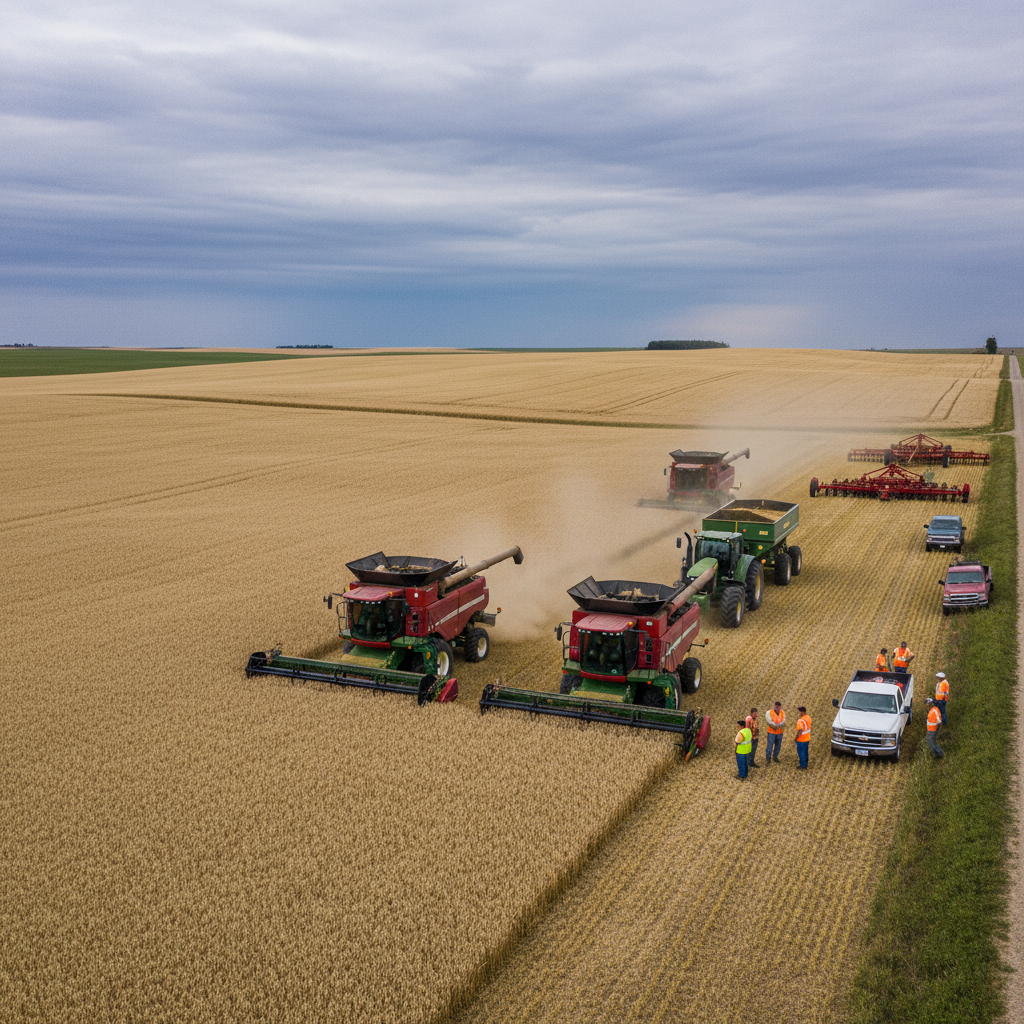
Agriculture is the pulse of Manitoba’s economy, sustaining thousands of families and making a valuable contribution to both provincial GDP and Canadian exports. But the evolving trade landscape has posed a number of urgent challenges:
Export Tariffs and Restrictions Trump-era tariffs on Canadian agricultural exports, complemented by retaliatory tariffs imposed by trade partners, have been more difficult for Manitoba farmers to reach foreign markets—particularly the U.S., Canada’s biggest agricultural trade partner.
Lower Commodity Prices
Volatility of global demand due to ambiguous trade deals and diminished U.S.-Canada collaboration has affected prices for primary crops such as canola, wheat, and soybeans. With surplus supply and fewer purchases, most growers are experiencing narrower profit margins.
Increased Costs of Production Tariffs on imported equipment and components, along with rising fertilizer and transport costs, are further constraining financial strain on farmers. They say many of them spend more on the inputs required to cultivate and transport crops, with scant capacity to raise selling prices.
In turn, Manitoba’s farming industry is trying to diversify export markets, with growing interest in trade ties in Asia, the Middle East, and Europe. But it takes time to establish new trade partnerships, and many farmers still worry about long-term sustainability with ongoing U.S. protectionism.
Manufacturing Industry Adapts to Higher Costs
Manitoba’s manufacturing industry, particularly in sectors like heavy machinery, vehicles, and industrial products, has also been severely impacted by Trump’s trade policies. The effect is especially harsh for businesses that depend on foreign materials or ship finished products to U.S. customers.
Higher Material Costs Steel, aluminum, and other input tariffs have put manufacturers under considerable pressure to shell out much higher amounts for indispensable inputs. These are detrimental to competitiveness, particularly against foreign corporations that do not experience such limitations in costs.
Supply Chain Disruptions Border slowdowns, customs delays, and policy uncertainty are complicating manufacturers’ ability to procure components and get products on time. In a business where reliability and timing are everything, these disruptions can have lasting impacts.
Competitive Pressures Several Manitoba producers are sandwiched between increasing expenses and customers demanding stable prices. Price increases will scare away clients, but the costs are impossible to absorb. Therefore, companies are rationalizing operations, making automation investments, and looking to local or alternative suppliers to insulate themselves against risks.
Several companies have even started moving pieces of their supply chains inside Canada or to non-U.S. partners due to ongoing trade instability.
Retail and Consumer Markets Respond to Price Increases
The downstream impacts of trade policy are now hitting Manitoba’s retail and consumer markets. Both households and businesses are feeling the pinch of higher prices on a broad spectrum of products:
Electronics, Cars, and Home Products That rely on international supply chains—especially those produced in or shipped from the U.S.—cost more. Tariffs imposed on semiconductors and automotive parts have added to both consumer and retailer expenses.
Food and Necessities Shipping and importation have made grocery and other essential products more costly. As agriculture has been impacted by production and price issues, even domestically produced products are becoming more pricey.
Luxury and Non-Essential Expenditure As living expenses increase, Manitobans are starting to make essentials a priority, and this has had a discernible impact on discretionary expenditure. Restaurants, entertainment outlets, and specialty stores have been hit.
Stores are responding by introducing budget options, local merchandise, and reassessing inventory tactics to be more in tune with consumer habits. Online retailers are also considering decreasing reliance on U.S.-based warehousing and suppliers.
Manitoba’s Economic Outlook: A Tale of Resilience and Adaptation
In spite of the volatile environment, Manitoba’s economy remains resilient. Most businesses, industries, and government agencies are meeting the challenge through adaptive strategy:
Trade Diversification Efforts are being made to strengthen trade relations with nations such as Japan, Germany, India, and the United Kingdom. These nations present new markets for agricultural products and manufactured products.
Innovation and Automation Support The provincial government and business development organizations are encouraging technological advancements, process automation, and investment in R&D to lower costs and enhance competitiveness.
Workforce Development With changing industries, there is an increasing effort to reskill employees across strategic fields such as digital manufacturing, logistics, and agrifood technology. By fostering a more adaptable workforce, Manitoba can weather future disruptions more effectively.
Cooperation with the Federal Government The leaders in Manitoba are working with Ottawa in order to get trade relief, export subsidies, and financial assistance packages for affected industries. These efforts are designed so that the province is economically resilient even during external shocks.
Conclusion
While Trump’s trade policies have unleashed a tide of difficulties for Manitoba’s businesses, the province is responding proactively with innovative measures. From the vast fields of grain in the Prairies to the active production lines of Winnipeg, Manitoba’s economy is riding out the new era of trade with courage and resilience.