- calendar_today August 31, 2025
In a long-expected move, WhatsApp is finally getting ads. For the first time since it launched in 2009, the world’s most popular messaging app is showing ads to users. But it’s not in your personal chats just yet.
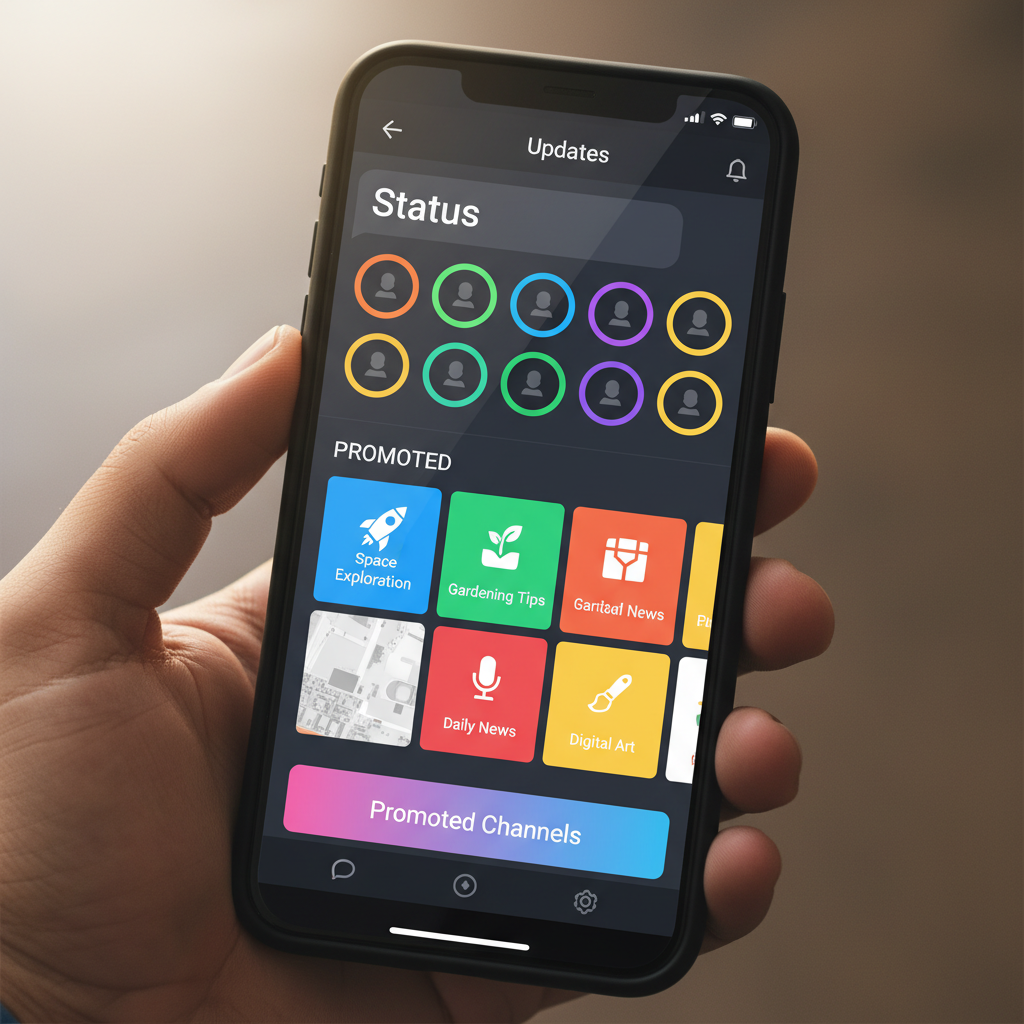
These ads are being rolled out slowly and are currently only available in a section of the app called Updates. This is where people can post short-lived status updates and follow interest-specific Channels. Meta, WhatsApp’s parent company, has also assured users that their private chats will remain ad-free and untouched.
If you only use WhatsApp to chat with friends or group chats, you probably won’t even notice a difference. But if you’re someone who often checks the Updates tab, you’re about to see a lot more commercial.
More than 1.5 billion people use the Updates tab every day, Meta says. That’s a big audience — and one that advertisers will be eager to target. But WhatsApp is taking a cautious approach to how it rolls this out.
Ads in Status, Promoted Channels, and Paid Subscriptions
So, what does this look like? There are three new ad formats. First, ads in Status. These will appear next to your friends’ 24-hour disappearing stories — the same way ads appear in Instagram Stories. As you scroll through your contacts’ statuses, you may see a photo, video, or message from a brand or company. Users will also be able to reply to these ads, starting a direct conversation with the advertiser.
Second, WhatsApp is launching Promoted Channels. This allows admins and businesses to boost their content within the app. Channels that pay for promotion will appear higher in the app, giving them a better chance of growing their following inside WhatsApp itself — without having to rely on outside platforms.
Third, and perhaps most interestingly, is a subscription feature. Businesses and creators can now sell exclusive updates for a monthly fee. For example, a user might subscribe to a cooking channel for access to premium recipes or early content drops. It’s a new way for businesses to make money — and for WhatsApp to make money too.
That last part is important. Until now, WhatsApp has made most of its money through its Business Platform — a paid tool that allows companies to connect with customers — and click-to-WhatsApp ads on Facebook and Instagram. But Meta CEO Mark Zuckerberg has made it clear that the company wants to go further. On an investor call earlier this year, he said the Business Platform is growing — but there’s room to expand.
This latest move is part of that broader plan.
“Part of our responsibility to ensure the sustainability of WhatsApp over time is to build more tools that help businesses succeed on the platform, and this is the next natural evolution,” Alice Newton Rex, WhatsApp’s VP of Product, told me.
Businesses have been asking for more tools to help them grow their audience within WhatsApp, she said, and this new ad rollout is a direct response to that demand.
Of course, introducing ads to a platform that prides itself on privacy wasn’t going to be easy.
Meta insists it’s doing this carefully. The ads won’t use any content from your chats. Instead, they’ll target based on broad user information — things like age, country code, language settings, and general location (not your exact address). WhatsApp will also take into account how you interact with the Updates tab — such as which Channels you follow and what types of content you engage with.
Users can also connect their WhatsApp account to Meta’s Accounts Center — an optional setting that lets advertisers show more personalized ads based on activity across Facebook, Instagram, and other Meta services. This is off by default and can be turned off at any time.
WhatsApp is also adding new transparency tools. You’ll be able to see why you’re seeing a particular ad, hide ads from certain advertisers, or report ads that feel inappropriate. The company says it’s working to make this as user-controlled as possible.
The move isn’t shocking in the bigger picture. With Meta making 98% of its revenue from advertising, and having acquired WhatsApp in 2014 for $16 billion, it was only a matter of time before the platform was used to drive more ad dollars.
And it’s not just Meta. Other platforms are doing the same. Discord introduced ads in 2024. Reddit has also grown its ad business dramatically, recently reporting its first profit ever. In a tough economy, even platforms built on community and privacy are finding ways to bring in advertisers.
For now, the impact on WhatsApp users is limited. But this marks the start of a new era for the app. Ads have arrived — and while they’re only appearing in the Updates tab for now, it’s clear that Meta is setting the groundwork for something much bigger.