- calendar_today August 9, 2025
The year 2025 has brought renewed uncertainty in global trade as tensions between the United States and China intensify. For Manitoba—a province with a strong agricultural foundation, growing manufacturing base, and emerging energy sector—this escalation presents both risks and potential opportunities. The latest round of tariffs and retaliatory measures are impacting supply chains, commodity prices, and investment landscapes, making it crucial for Manitoba investors to stay informed and strategic.
Earlier in the year, the U.S. reimposed tariffs reaching up to 54% on a wide variety of Chinese goods, including electronics, automotive parts, and industrial equipment. In response, China levied retaliatory tariffs on American exports, including key agricultural products, and restricted exports of rare earth minerals critical to technology and clean energy sectors. These moves have amplified market volatility and global economic uncertainty.
Manitoba’s Economic Exposure to Trade Tensions
Manitoba’s economy is heavily connected to global trade, with several sectors particularly vulnerable to the current U.S.–China trade escalation.
Agriculture and Food Processing
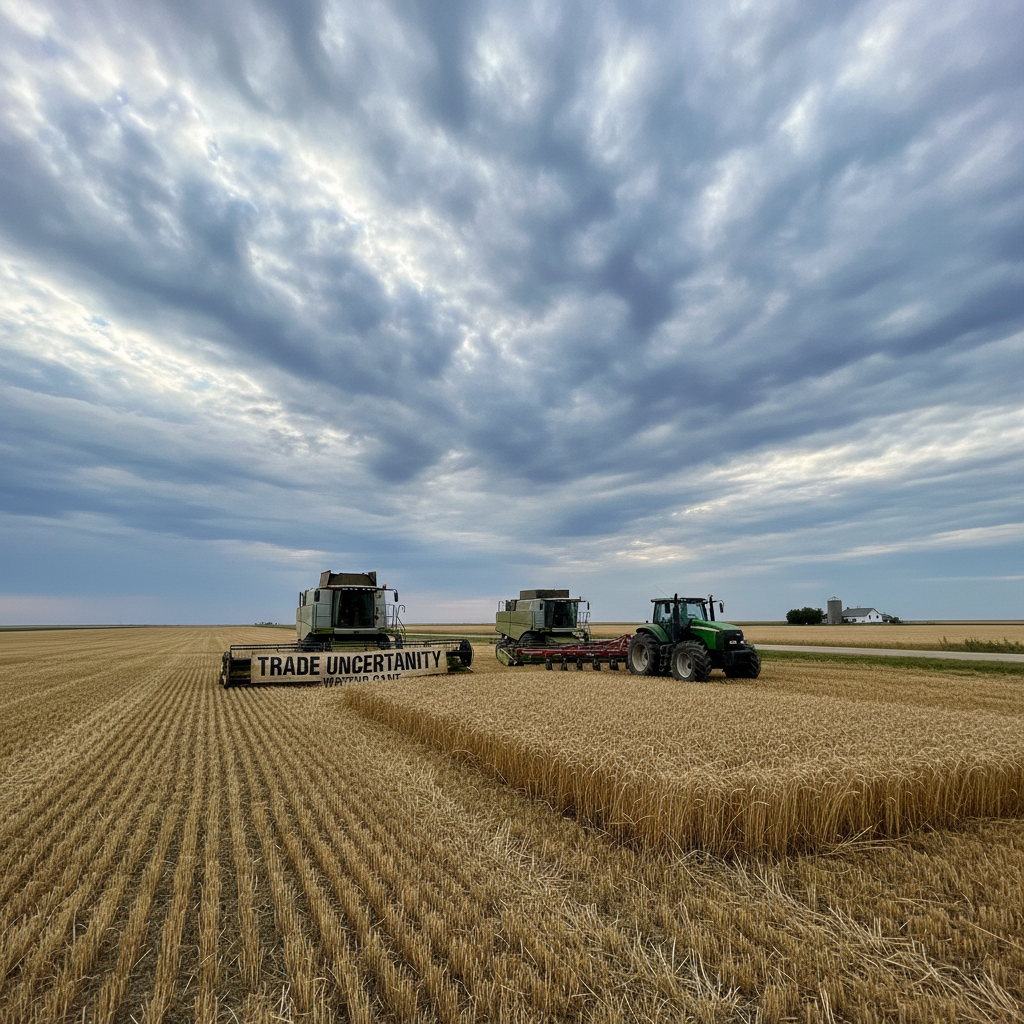
Agriculture is a cornerstone of Manitoba’s economy, with significant production of grains, oilseeds, livestock, and processed foods. China has historically been a vital market for many of these products. However, China’s tariffs on U.S. agricultural imports, along with the broader trade conflict, have led to shifts in global demand that indirectly affect Manitoba’s farmers and exporters. Reduced access to Asian markets and downward pressure on commodity prices could challenge profitability and growth.
Manufacturing and Machinery
Manitoba’s manufacturing sector, especially in machinery and equipment, relies on integrated supply chains that include Chinese components and markets. Tariffs on Chinese goods and uncertainties in export markets increase costs and may disrupt production schedules. These challenges also affect employment and investment in the sector.
Energy and Natural Resources
Manitoba’s energy sector, with its focus on hydroelectric power and emerging renewable technologies, is influenced by global supply chains for technology components and rare earth minerals. China’s export restrictions may increase costs and delay projects critical to the province’s green energy goals.
How Manitoba Investors Can Respond
Facing this uncertain trade environment, Manitoba investors may benefit from several practical strategies:
- Diversify Portfolios:
Reducing concentration in sectors most exposed to China-U.S. trade tensions, such as export-heavy agriculture and manufacturing, can help mitigate risk. Expanding into domestic service industries and infrastructure projects offers potential stability. - Consider Alternative Assets:
Commodities, real estate investment trusts (REITs), and inflation-protected securities can serve as effective hedges against market volatility and inflationary pressures. - Stay Proactive and Informed:
Monitoring developments in trade negotiations, government policies, and corporate earnings reports enables timely portfolio adjustments aligned with market conditions. - Focus on Innovation and Resilience:
Investing in companies involved in clean energy innovation, local supply chain development, or reshoring efforts may position portfolios for growth as markets adjust.
Managing Risk and Seizing Opportunity
The 2025 U.S.–China trade tensions emphasize the vulnerabilities and interconnectedness of global markets. For Manitoba, the challenge lies in balancing exposure to international trade with efforts to build domestic resilience and innovation.
While certain sectors may face short-term challenges, others are positioned to benefit from shifting supply chains, policy incentives, and market diversification. Investors who embrace adaptability, maintain diversified portfolios, and stay well-informed about trade dynamics will be better prepared to navigate this volatile period.