- calendar_today September 3, 2025
In 2025, Germany’s DAX Index isn’t just relevant to European investors—it’s catching the attention of financial planners, farmers, and entrepreneurs from Winnipeg to Brandon. While Germany may be thousands of kilometers away, its leading companies send powerful signals that matter to Manitobans.
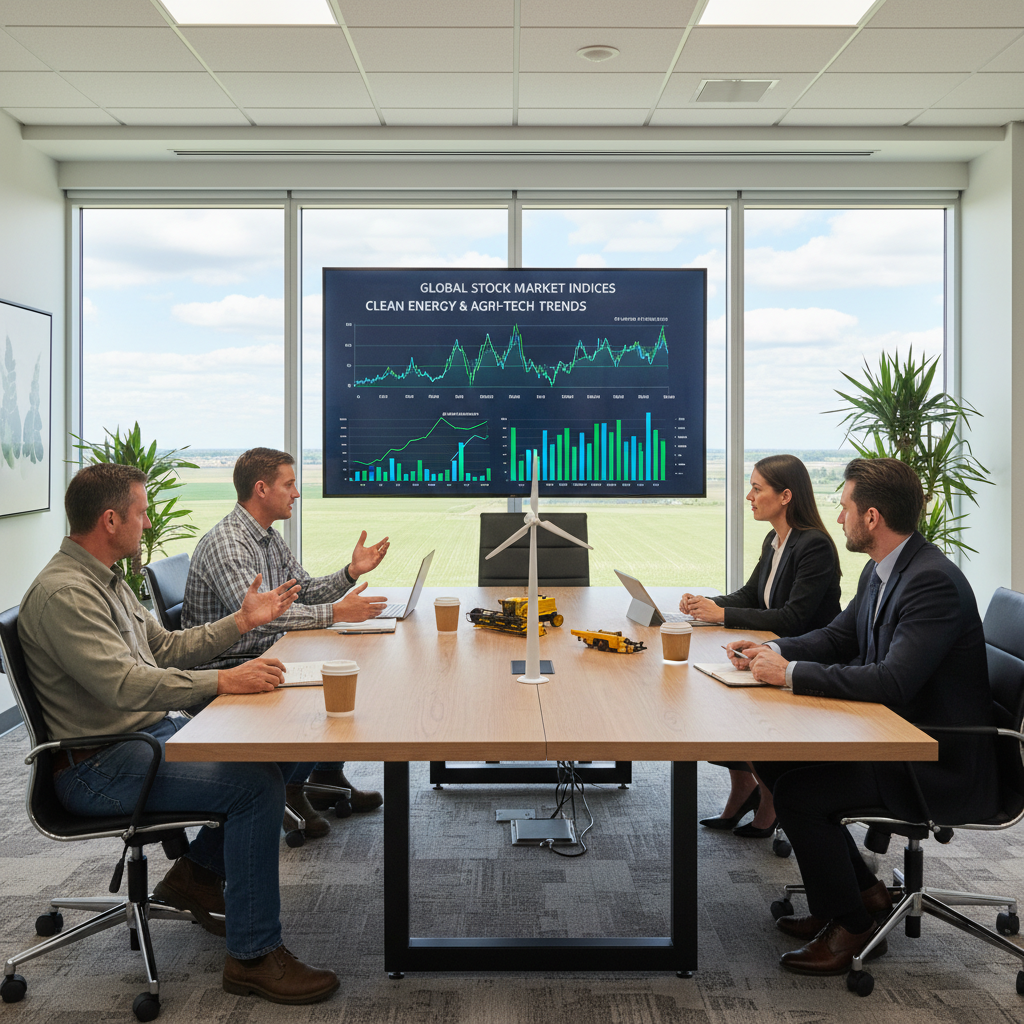
The DAX 40, which includes industrial heavyweights like Siemens, BASF, Bayer, and Volkswagen, acts as a real-time gauge of European economic strength. For a province like Manitoba—whose economy is driven by agriculture, clean energy, transportation, and manufacturing—watching the DAX helps decode demand shifts, pricing patterns, and global investment flows.
Agriculture Exports: Reading the DAX for Crop and Input Trends
Manitoba is Canada’s agricultural heartland, producing wheat, canola, soybeans, and pulses for export markets around the world. Europe—especially Germany—remains a valuable trade partner under CETA (the Canada–EU Comprehensive Economic and Trade Agreement).
Several DAX companies play key roles in global agribusiness. Bayer, for instance, develops seed genetics and crop protection products. When Bayer reports earnings or forecasts changes in agricultural demand, Manitoban producers and suppliers pay attention—it can foreshadow fertilizer price changes, export demand shifts, or input cost volatility.
Additionally, as European consumers push for greater sustainability, DAX companies are shaping food and environmental standards that Manitoban exporters must meet to remain competitive.
Clean Technology and Energy Efficiency
As Manitoba scales up its clean tech sector, especially in energy storage, biomass, and efficiency retrofitting, European trends matter more than ever. Germany’s DAX-listed corporations are investing billions into energy innovation—efforts that align with Manitoba’s sustainability goals.
Siemens Energy, RWE, and E.ON are among the DAX constituents shaping the global energy transition. Their strategies in wind, hydrogen, and smart grids mirror some of the initiatives being explored in Manitoba, such as hydrogen blending pilots, solar integration, and demand-side management.
Investors and clean energy startups in Winnipeg and surrounding regions look to these German leaders to benchmark technology adoption rates, funding cycles, and investor appetite.
Manufacturing and Transport: European Demand Ripples Into Manitoba
Manufacturing contributes significantly to Manitoba’s economy, particularly in transportation equipment, agricultural machinery, aerospace components, and food processing. When DAX firms like Volkswagen, BMW, and Daimler Truck expand production or revise outlooks, it signals shifts in industrial activity—and those ripples reach into Canadian supply chains.
Manitoba’s trucking industry and multimodal logistics hubs, especially in Winnipeg, are also tied to global trade flows. If DAX manufacturing firms ramp up, it often implies greater demand for raw materials, components, and transportation—driving local contract opportunities for carriers and parts suppliers.
Currency Considerations: The Euro’s Influence on Manitoba Trade
As much of Manitoba’s exports are priced in U.S. dollars, a strong or weak euro can shift competitiveness for exporters. When the euro strengthens—often a sign of investor confidence in the DAX—European buyers have more purchasing power. That can be good news for Manitoba’s agriculture producers, who may find more price flexibility when negotiating export contracts.
Conversely, a weaker euro could make European imports more affordable—impacting local input costs for things like German-made farm equipment or industrial machinery.
Keeping an eye on DAX trends helps Manitoban investors and businesses navigate the broader currency environment and time their international transactions more effectively.
Manitoba Pension Plans and Global Exposure
Manitoba-based pension and investment funds—such as the Teachers’ Retirement Allowances Fund (TRAF) and local credit union portfolios—are increasingly diversifying into global markets. The DAX, as one of the world’s top-performing indexes over the past decade, is a regular fixture in international equity holdings.
Retail investors across the province are also accessing European markets via ETFs and mutual funds that include DAX constituents. In 2025, with North American volatility elevated and interest rates in flux, many Manitoban investors are rebalancing their portfolios to include more international exposure—particularly in sectors like clean energy, industrial automation, and biotech, where DAX firms are global leaders.
How Manitobans Can Invest in the DAX
For those looking to invest directly or indirectly in Germany’s economic leaders, there are several options:
- European ETFs: Canadian brokers like Questrade, Wealthsimple, and RBC Direct Investing offer access to ETFs that track the DAX or broader Eurozone indexes.
- Global Mutual Funds: Many RRSP-eligible mutual funds include top DAX companies in their international holdings.
- ADRs: U.S.-listed ADRs for companies like SAP, BASF, and Allianz can be traded on Canadian platforms for exposure to DAX leaders.
These tools allow Manitobans to diversify beyond North American markets and tap into trends that are shaping everything from renewable energy to healthcare technology.
What the DAX Tells Us About the Global Economy in 2025
Germany remains the economic engine of the European Union, and its top companies often serve as early indicators of global demand shifts. In 2025, as supply chains stabilize post-pandemic and investment in green technologies accelerates, the DAX is reflecting investor confidence in global recovery.
For Manitoba, this matters. Whether it’s farm exports to Europe, clean energy collaboration, or manufacturing contracts that depend on stable foreign demand, the DAX gives insight into what’s coming next. It helps Manitobans make better business decisions and smarter long-term investments.
Connecting Prairie Prosperity to European Signals
Manitoba’s economy may be rooted in the soil, powered by hydropower, and built on small business—but it’s increasingly influenced by global markets. The DAX isn’t just a number in Frankfurt. It’s a signal—a reflection of international demand, industrial growth, and innovation momentum.
For farmers, fund managers, and financial advisors across Manitoba, tracking the DAX in 2025 means staying ahead of the curve in an interconnected world.