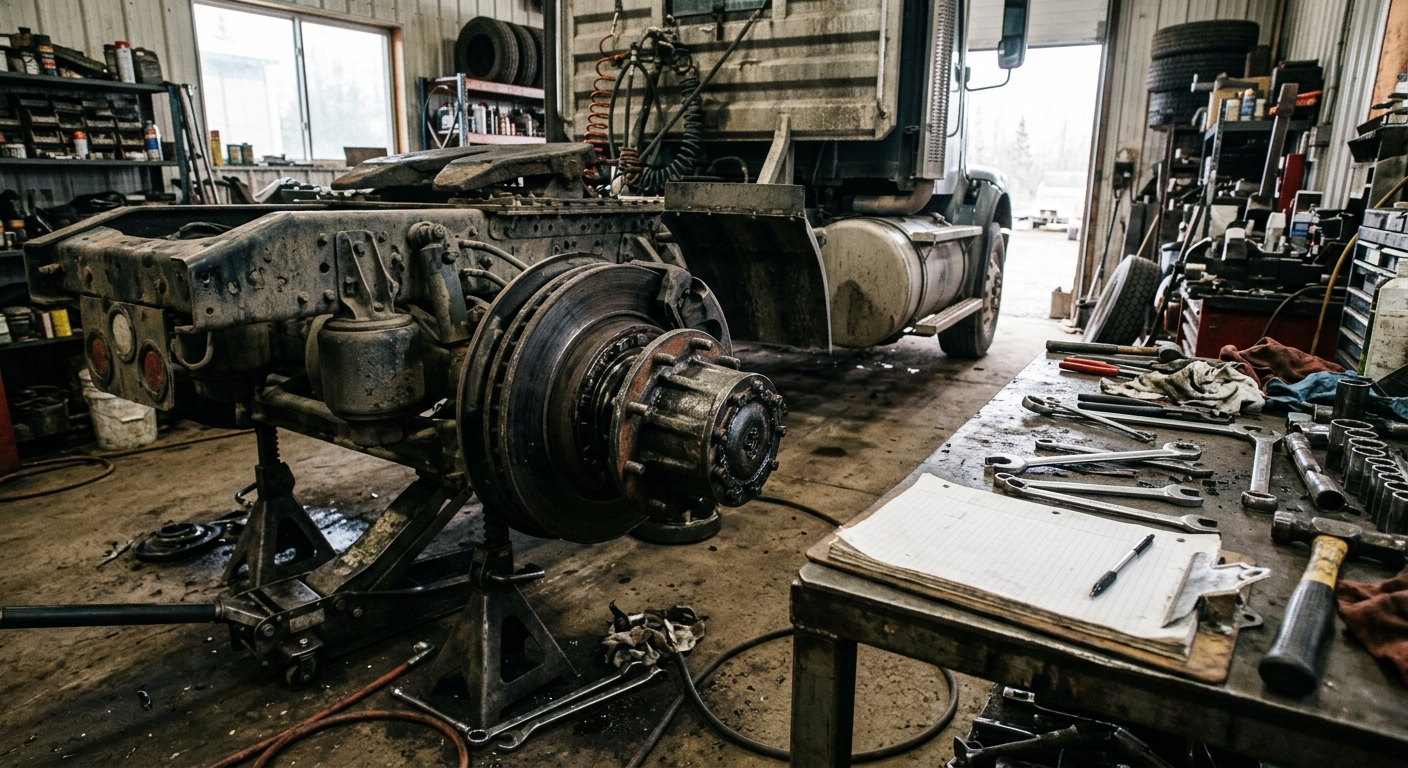
AI-generated illustration; not a photograph of the reported event.
- calendar_today October 13, 2026
Fatal Bus Rollover at the Columbia Icefield
A fatality inquiry has found that a catastrophic brake failure caused by neglected mechanical repairs contributed to the deadly ice explorer bus rollover at the Columbia Icefield in July 2020. The report, released by Judge Vaughn Myers of the Alberta Court of Justice, details the oversights that preceded the accident, which led to the deaths of three passengers and left 14 others severely injured.
Incident Details and Victims
On July 18, 2020, an Ice Explorer vehicle carrying 24 tourists across the Athabasca Glacier in Jasper National Park rolled down a steep embankment, landing on its roof. Dionne Durocher, 24, from North Battleford, Sask., and Edmonton residents Kamleshbhai Patel, 58, and Griva Patel, 28, were ejected and died from their injuries within minutes. Fourteen other passengers sustained severe injuries during the crash.
Brake Failure and Neglected Maintenance
The fatality inquiry determined that the Ice Explorer bus suffered dangerously worn components, inadequate brake power, and had not received necessary routine maintenance. Judge Myers found that warnings about the vehicle’s safety had gone unaddressed in the days and weeks leading up to the crash. The investigation highlighted that only one of the six wheels had sufficient braking power during post-crash inspection.
Contributing Factors to the Crash
Court proceedings revealed that the bus was descending the steep Lateral Moraine Road when the driver negotiated the slope in neutral, making it impossible to use engine power to slow the vehicle. As a result, the off-road bus accelerated to between 41 and 49 km/h—far above its safe operating speed of 14 km/h. When the driver applied the manual brakes, they failed due to severe mechanical defects, leading to a loss of control and subsequent rollover. Myers cited the driver’s decision to stay in neutral and the vehicle’s lack of effective braking force as the primary contributing factors to the accident.
Inspection Gaps and Mechanical Defects
Findings show that five days before the rollover, a driver reported a major braking issue requiring inspection, which was neither properly checked nor repaired. The mechanical inspection after the crash revealed inexperience and inadequate training among on-site mechanics. Furthermore, the vehicle had undergone a scheduled inspection by Wajax just 12 days before the event, but the inspection report was undated and lacked any specific reference to the vehicle involved. Judge Myers questioned the accuracy and application of the inspection, expressing serious doubts about its validity.
Calls for Improved Safety Protocols
The report called on Pursuit—also known as Brewster, the tour operator—to improve its inspection and reporting processes. Recommendations include ensuring that maintenance records be vehicle-specific, properly dated, and accessible to drivers. The court also suggested that Pursuit implement comprehensive mechanic training in partnership with occupational health and safety and government agencies. Myers further encouraged authorities to create a standardized three-year service and inspection program for off-road tour vehicles and updated policies for defect reports.
Company Response and Legal Outcome
Pursuit pleaded guilty in 2023 to two charges under the Alberta Occupational Health and Safety Act, resulting in a $475,000 fine. In a statement, Pursuit said it has since made significant safety changes, including enhanced driver training, installation of seatbelts in all Ice Explorers, and improved inspection and defect reporting procedures. The company expressed its ongoing commitment to safety and extended condolences to the victims’ families and those affected by the tragedy.
Source: cbc.ca.