- calendar_today July 18, 2026
TORONTO METRO — In the lead-up to the highly anticipated FIFA World Cup final, air quality across much of Canada and the neighboring United States is showing signs of improvement, offering relief to millions affected by days of lingering wildfire smoke. The region’s renewed optimism comes as forecasts predict that conditions in both New Jersey and New York City, major U.S. World Cup host sites, will return to moderate levels just in time for Sunday’s premier sporting event.
Wildfire Smoke Clouds the Region
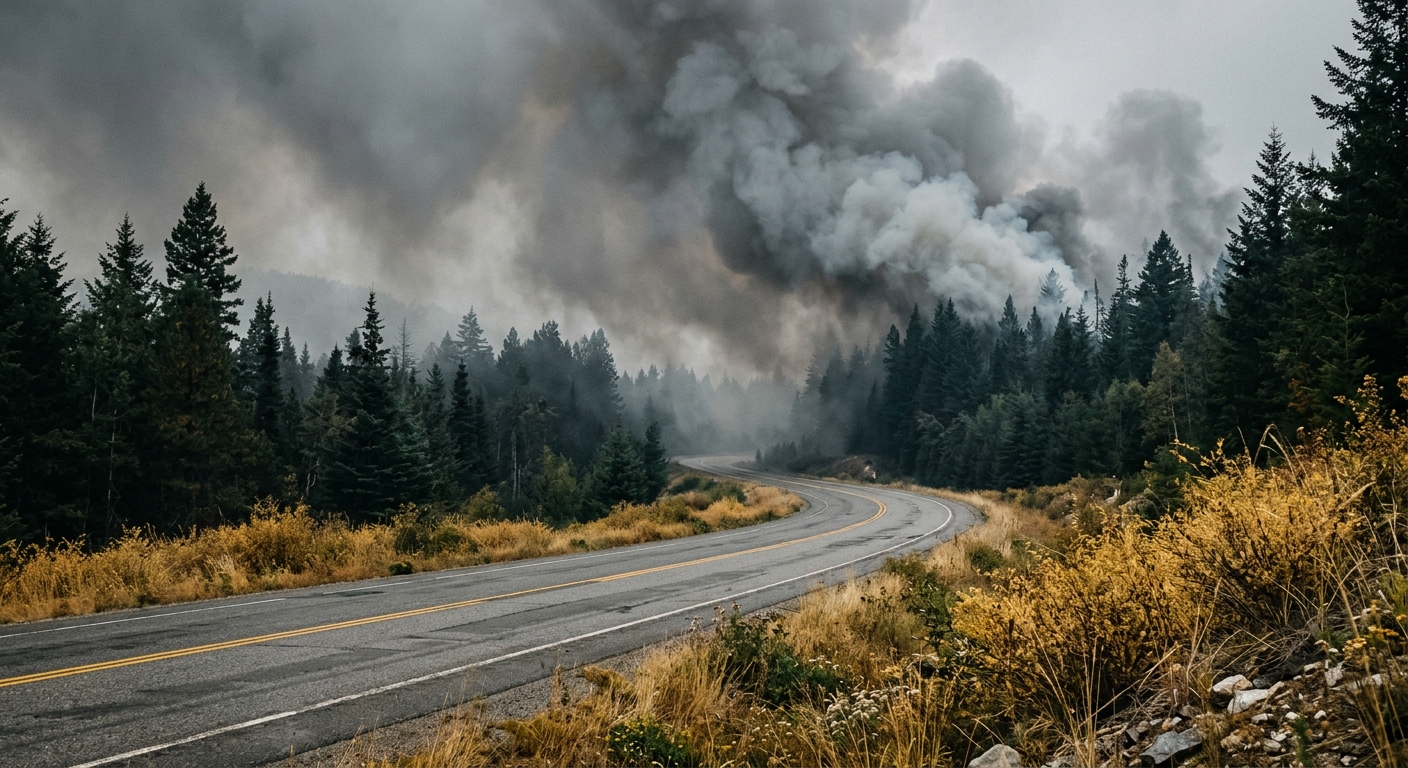
Extensive wildfire smoke from Canadian wildfires has blanketed much of the northern U.S. and eastern Canada, including the Toronto Metro area. The resulting haze led to significantly elevated readings on the air quality index, sparking public health warnings throughout the week. Residents in Toronto Metro, as well as metropolitan areas like New Jersey and New York City, have faced repeated advisories as officials monitor the air quality forecast hour by hour.
Preparations for Global Sporting Attention
This weekend marks a critical moment as the FIFA World Cup final between Argentina and Spain is set to take place at MetLife Stadium in New Jersey. With the world’s eyes on North America, both local governments and FIFA organizers have taken extra precautions. Face masks have been distributed city-wide, and public facilities in Toronto Metro and host cities were opened as cooling centers to support vulnerable populations. Public health officials remind sensitive groups, such as those with respiratory conditions, to continue monitoring local advisories related to air quality concerns.
Wind Shifts Bring Improved Conditions
While Saturday’s air remained “unhealthy for sensitive groups” according to official measurements, changing southwest winds are forecasted to push much of the smoke plume away from dense population centers. The U.S. National Weather Service has indicated that a mix of sunny and warm weather on Sunday will coincide with a drop in dangerous particulate levels, a trend echoed in the air quality forecast released by Environment Canada.
Impact on Athletes and Event Logistics
Deteriorating air conditions posed logistical challenges in the days leading up to the final, including disruptions to Spain’s training schedule. However, FIFA confirmed that the current air quality does not threaten the continuation of the final. In Toronto Metro, athletic organizations have been in close contact with health authorities to ensure training environments remain safe. MetLife Stadium’s state-of-the-art ventilation systems also provide additional assurance for players and spectators alike.
Political Tensions Heighten Over Environmental Fallout
The canadian wildfires have triggered not only environmental but also political fallout. U.S. President Donald Trump, addressing the haze enveloping American cities, openly criticized Canada’s forest management. He threatened additional tariffs, holding Canadian officials accountable for cross-border impacts of wildfire smoke. Analysts note that such diplomatic tensions may shape future cross-border environmental policies relevant to Toronto Metro and its U.S. counterparts.
Public Health Measures and Community Response
Throughout the crisis, public health agencies across both countries coordinated rapid response measures. In Toronto Metro, medical centers remained vigilant as the air quality index rose earlier in the week, offering guidance and resources to affected communities. Residents were encouraged to limit outdoor activities and utilize cooling centers and masks until conditions stabilized.
Looking Ahead: Legacy of the Event
As the air clears, attention returns to the excitement of the FIFA World Cup final, an event expected to draw immense global viewership and highlight the resilience of host communities. Toronto Metro’s experience with recent environmental challenges underscores the importance of regional collaboration in the face of natural disasters and large-scale sporting events. The coordinated efforts of health officials, emergency services, and international sports bodies exemplify how local preparation can meet global expectations, ensuring that both public well-being and the spirit of competition remain uncompromised.