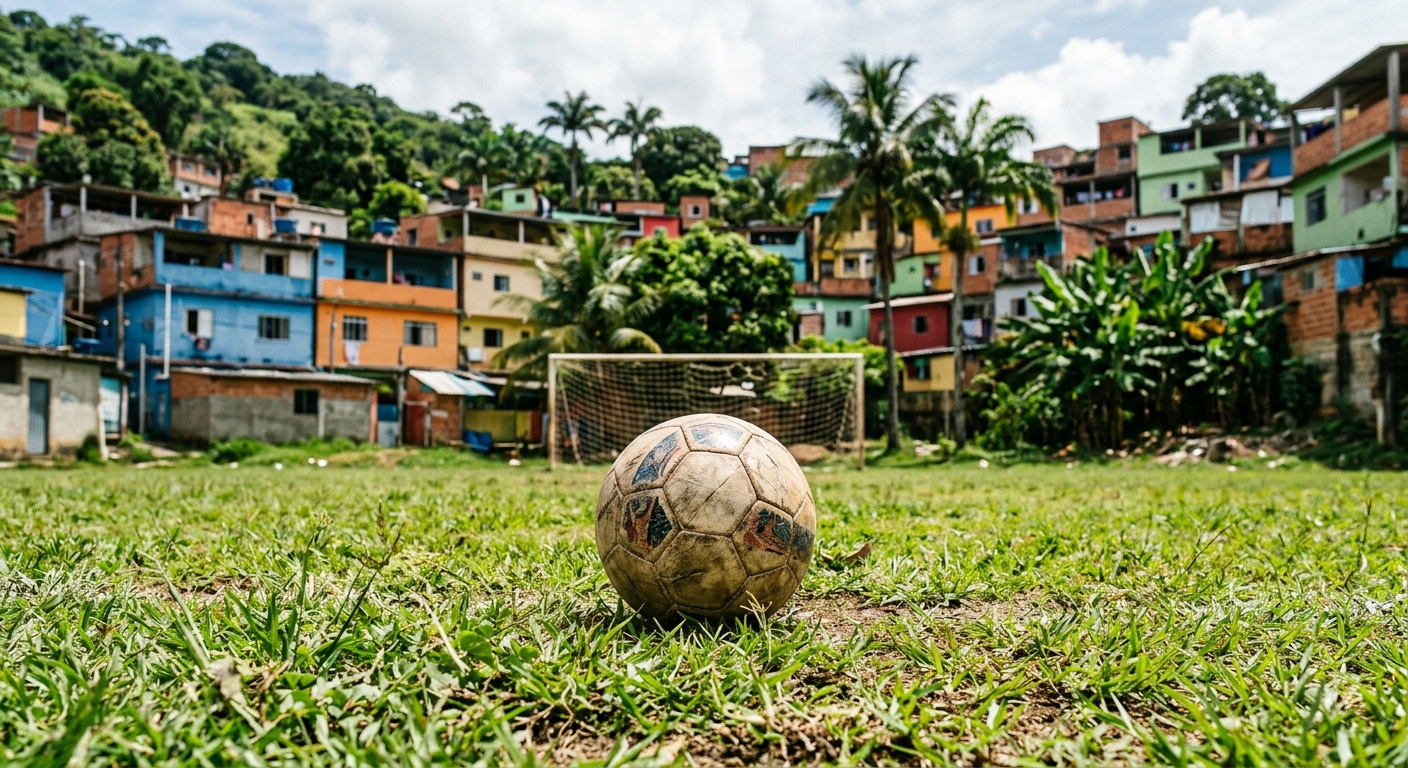
AI-generated illustration; not a photograph of the reported event.
- calendar_today June 24, 2026
The excitement is mounting across Toronto Metro and beyond as anticipation builds for the 2027 Womens World Cup, which will make its historic debut in South America with Brazil as host. Kicking off on June 24, 2027, the tournament signals a new era for women’s soccer, bringing the world’s eyes not only to Brazil’s vibrant cities but also to the growing global enthusiasm for the sport.
Brazils First Time Hosting the Womens World Cup
Although Brazil is no stranger to the global sports stage—having hosted the men’s World Cup in 1950 and 2014—this marks the first occasion the nation will serve as site for the renowned fifa womens world cup. The 2027 womens world cup will span eight Brazilian cities, all of which previously welcomed fans during the 2014 men’s tournament. The announcement underscores Brazil’s commitment to elevating women’s soccer and intensifying local and international interest in the brazil womens world cup.
Automatic Qualification and Tournament Expansion
As host, Brazil automatically secures a spot in the competition despite never having claimed the womens world cup trophy. Thirteen other teams have already qualified for the women soccer tournament, representing a diverse array of regions and underlining the expanding international footprint of the fifa womens tournament. For local communities—including young athletes and soccer clubs in Toronto Metro—the event offers an opportunity for inspiration and engagement with the sport’s top-level competition.
Legacy of the 2027 Tournament
FIFA chief football officer Jill Ellis recently conveyed strong confidence in the spectacle and legacy the 2027 womens world cup will produce. She emphasized the dynamic atmosphere and talent on display, forecasting an unforgettable event that will captivate not just Brazil but also fervent supporters across Canada and the Toronto Metro region. The tournament is seen as a catalyst for further womens soccer growth, encouraging greater investment in facilities, coaching, and community programs both locally and internationally.
Growing Competition and Global Appeal
The 2027 edition will be the final tournament featuring 32 womens soccer teams, with expansion planned for the next event in 2031. That tournament, to be co-hosted by the United States, Mexico, Costa Rica, and Jamaica, is set to feature 48 teams, reflecting the accelerating womens world cup expansion. Greater competition and visibility are transforming the landscape of the sport, benefitting aspiring athletes in developing soccer nations and established powerhouses alike. In Toronto Metro, grassroots clubs and regional associations are likely to feel the positive effects as the sport’s profile rises.
Brazils Enduring Soccer Tradition and New Opportunities
Brazilians hold a long-standing passion for soccer, with their brazil soccer history marked by international accolades, particularly in the men’s game. With the staging of the fifa womens world cup, Brazil is poised to inspire a new generation of female players and celebrate its position among prominent womens world cup hosts. Regional sports analysts believe the event will elevate the conversation about gender equality in sports, while providing young athletes in Toronto Metro and across Canada with new role models and stories of perseverance.
A Platform for Progress and Inclusion
Organizers and stakeholders across the Americas are preparing resources to ensure inclusivity, accessibility, and competitive excellence for the 2027 womens world cup. As the countdown continues, teams and fans in Toronto Metro will have an opportunity to connect with the global women soccer tournament narrative, enhancing community spirit and supporting womens soccer growth both at home and abroad. The journey to Brazil represents not just a landmark for womens soccer, but also an invitation for countless communities—including those in Toronto Metro—to participate in shaping the future of the fifa womens tournament.