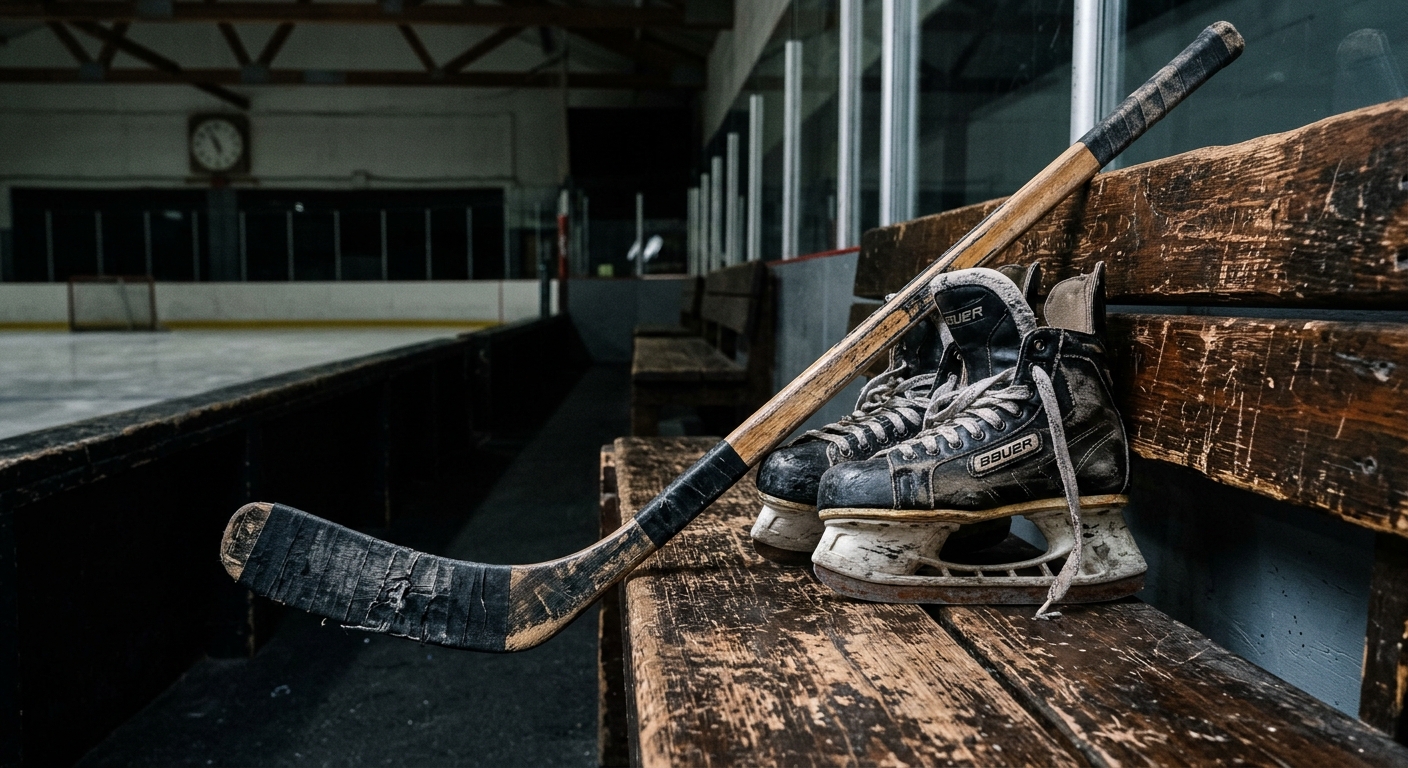
AI-generated illustration; not a photograph of the reported event.
- calendar_today October 22, 2026
Interlake Region Without U15 and U18 Co-Ed Hockey Divisions
For the second season in a row, Manitoba's Interlake region will not have U15 or U18 minor hockey co-ed divisions. This development follows the approval for teams from six local associations to play in Winnipeg leagues instead, a move that leaves the region without enough registered teams to form local divisions in those age groups.
Approval for Teams to Compete in Winnipeg
According to Chantel Finnbogason, director of the Interlake Minor Hockey Association, teams in the region are permitted to play elsewhere only after submitting a request to the association. The association's board approved such transfers in late August. Without those teams, Interlake falls below the minimum quota of four required to form a division at both the U15 and U18 levels.
Communities like the Peguis First Nation, which registered to play locally, now face a choice: join Hockey Winnipeg, operate independently, or delay participation until the next season. "Every child in every community deserves to play hockey if they are able to. We are able to, and we feel that has been taken from us," said Johnathon Flett, Peguis's recreational director.
Reasons Behind the Shift
Teams cited differing reasons for seeking to play in Winnipeg. Many indicated they would only transfer if too few local teams existed, while two associations expressed concerns about the increasing roughness of regional play. Finnbogason emphasized that safety concerns for players were also a consideration in approving transfers. An extended registration deadline to August 15 did not attract sufficient numbers for the U15 and U18 divisions, and some northern associations opened registration much later than the deadline.
Impact on Peguis and Lake Manitoba First Nations
The absence of Interlake-based U15 and U18 co-ed hockey means Peguis First Nation's teams will again play out of Winnipeg. Last season, players traveled approximately 160 kilometres to the city for games—at least 22 times—a cost only sustainable due to extra funding and parental support. This financial limitation prevented Peguis from including players from nearby communities. "We need hockey in our community for the younger generations to look up to," Flett said, expressing disappointment at the loss of local games and the associated community spirit.
Similarly, Lake Manitoba Minor Hockey Association president Jayden Edwards explained that their U15 and U18 teams will not compete outside the community this season. Budget constraints and travel commitments were cited as barriers, and Edwards was concerned about the impact on youth, especially given local social challenges. He estimated about 30 players would be directly affected, but skill-building practices will continue for local players.
Other Divisions and Ongoing Challenges
The Interlake Minor Hockey Association expects to field U13 and U9 divisions this year, though Finnbogason noted the U9 group is particularly small. Some associations with U9 teams applied to play outside the region, seeking to join "like skill" teams for better competition. Despite a proposal, this model was not adopted. Other associations have chosen to organize independently, bypassing the region's governing body.
"We all need to work together to keep our kids playing the game," Finnbogason urged, warning of the risk that hockey could disappear from the region entirely if challenges persist.
Hockey Manitoba's Response and Review
Boyd Canart, chair of the Hockey Manitoba board, stated that while Hockey Manitoba ensures organizations like the Interlake Minor Hockey Association comply with their governance, league and division formats are the responsibility of local bodies. Hockey Manitoba is now reviewing the events surrounding the Interlake's U9, U15, and U18 co-ed divisions this season. Canart stressed the importance of finding ways for communities to play closer to home, reduce costs, and ensure hockey participation remains inclusive.
Source: cbc.ca.