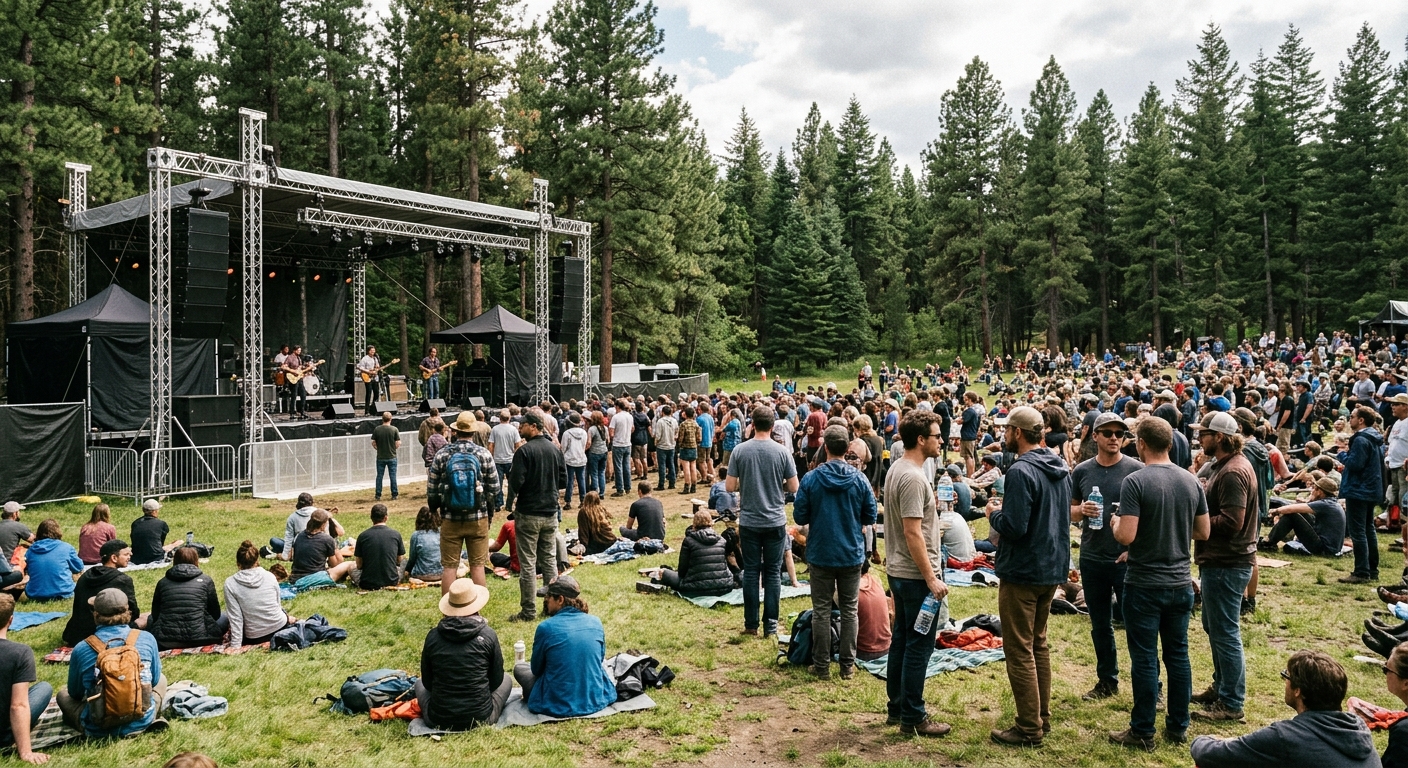
AI-generated illustration; not a photograph of the reported event.
- calendar_today September 14, 2026
The Wake the Giant Music Festival, held annually in Thunder Bay and drawing attention from the wider Toronto Metro region, is facing heightened scrutiny after a recent incident involving headliner Flo Rida. The acclaimed rapper’s appearance was marred by an alcohol props controversy, prompting debate about the event’s commitment to its sober music festival designation and its mission to empower Indigenous youth from northern communities.
Festival’s Mission Centered on Indigenous Youth
The Wake the Giant Music Festival was established with a unique purpose: to create a vibrant, safe, and inclusive environment for Indigenous students who relocate from remote northern communities to pursue education in Thunder Bay. As one of the region’s largest indigenous youth events, it has garnered broad community support for offering a substance-free space where youth can gather, connect, and experience live music without the risk of alcohol-related triggers.
Flo Rida’s Performance Sparks Unexpected Backlash
The central issue emerged when Flo Rida’s performance included the use of alcohol-themed stage props, directly conflicting with the festival’s clear no-alcohol policy. Among those affected was Esther Maud, a resident who has been sober for six years. Maud described the performance as triggering and voiced concerns that the inclusion of explicit alcohol imagery could undermine the safety and inclusivity that the thunder bay festival promises its attendees, particularly those striving to maintain sobriety.
Organizers Respond with Public Apology
In the wake of the flo rida performance, festival organizers issued a prompt public festival apology. They admitted that the use of alcohol props during the set was not approved and failed to reflect the core values of the event. The team acknowledged responsibility for choosing the headline artist and assured attendees that future lineups would better align with the festival’s mission of inclusivity and Indigenous students support.
Community Reaction and Calls for Reflection
The music festival backlash extended beyond Toronto Metro, resonating throughout communities across northern Ontario who view Wake the Giant as an important indigenous youth event. While disappointment was evident, many supporters—like Maud—emphasized the critical role the festival plays in the lives of Indigenous youth and chose to see the controversy as a learning experience. Community leaders have called for more rigorous artist vetting to avoid undermining the foundation of trust and support that the event has built over the years.
Event Remains Vital for Indigenous Youth
Despite the alcohol props controversy, Wake the Giant’s broader commitment to supporting Indigenous youth and fostering festival inclusivity remains strong. Alongside Flo Rida, the event featured acclaimed performers like the Wallflowers and Cree/Salish singer Tia Wood, who drew crowds and inspired students from various northern communities. The sober music festival’s vision of a welcoming, alcohol-free environment underscores its ongoing relevance and necessity in Toronto Metro and beyond.
Looking Ahead to Positive Change
As festival organizers look ahead, they have pledged renewed diligence in artist selection and program planning, aiming to ensure that every aspect of Wake the Giant aligns with the needs and well-being of its core audience. Stakeholders in the Toronto Metro region and supporting educators believe that the lessons learned from this year’s incident will strengthen future celebrations, reinforcing Wake the Giant’s status as a beacon of hope and inclusivity for Indigenous students.